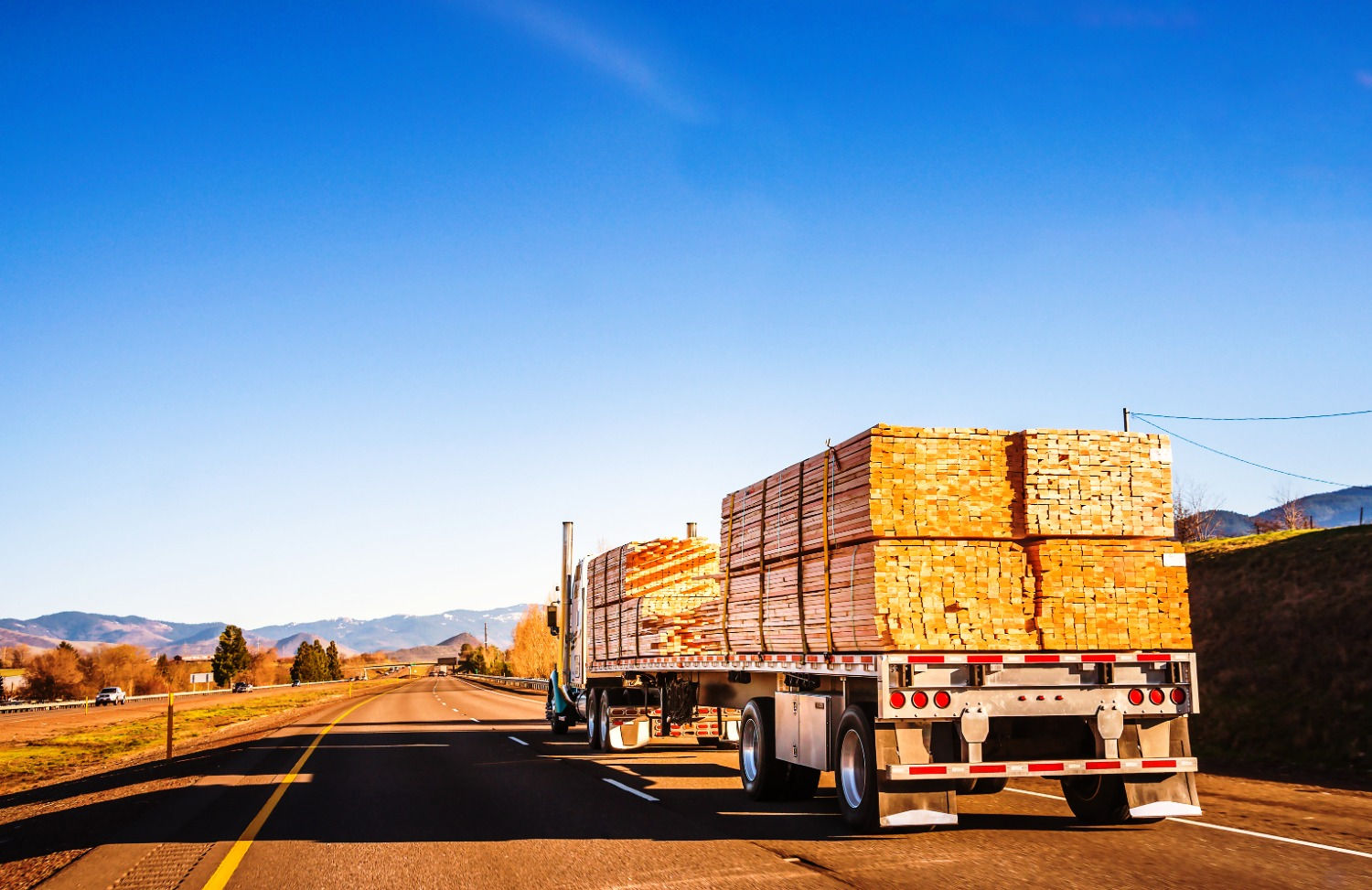

Understanding On-Demand Flatbed Trucking Solutions
When it comes to transporting building materials and small equipment, the logistics can quickly become complex. Flatbed trucking solutions offer a versatile and efficient way to move these goods safely and on time. But what exactly makes flatbed trucking so essential, and how can you leverage modern solutions to streamline your transportation needs? Let’s explore the ins and outs of flatbed trucking, focusing on practical insights that can help you make informed decisions.
Why Flatbed Trucking Solutions Are Essential for Your Business
Flatbed trucking solutions provide a unique advantage when transporting bulky, irregularly shaped, or oversized items. Unlike enclosed trailers, flatbeds offer an open platform that can accommodate a wide variety of cargo sizes and shapes. This flexibility is crucial for businesses dealing with building materials like lumber, steel beams, pipes, and heavy equipment.
One of the key benefits of flatbed trucking is the ease of loading and unloading. Since the cargo is accessible from all sides, forklifts and cranes can quickly place or remove items without the constraints of walls or roofs. This efficiency reduces downtime and speeds up delivery schedules.
Moreover, flatbed trucking solutions often come with specialized equipment such as tarps, straps, and chains to secure loads safely. This ensures that your materials arrive intact, minimizing the risk of damage during transit.

By choosing the right flatbed trucking service, you gain access to experienced drivers who understand the nuances of securing and transporting heavy loads. This expertise translates into fewer delays and safer deliveries, which are critical for maintaining your project timelines.
Exploring Different Flatbed Trucking Solutions
Flatbed trucking solutions are not one-size-fits-all. Depending on your cargo and delivery requirements, you can select from various types of flatbed trailers and service options.
Standard Flatbed Trailers: These are the most common and typically measure 48 to 53 feet in length. They are ideal for general construction materials and equipment.
Step Deck Trailers: Also known as drop decks, these trailers have a lower deck height, allowing for taller loads that exceed the height limits of standard flatbeds.
Double Drop Trailers: These trailers have two drops in the deck, making them perfect for extremely tall or heavy equipment.
Extendable Flatbeds: These trailers can be lengthened to accommodate longer items such as pipes or beams.
Choosing the right trailer depends on the dimensions and weight of your cargo. Additionally, some flatbed trucking providers offer customized solutions, including expedited shipping and real-time tracking, to meet your specific needs.
One modern advancement that has transformed the industry is the availability of on demand flatbed trucking. This service allows you to book flatbed trucks quickly and efficiently, reducing wait times and improving supply chain responsiveness. Whether you need a last-minute shipment or a scheduled delivery, on-demand options provide the flexibility your business requires.

What Flatbed Loads Pay the Most?
Understanding which flatbed loads pay the most can help you optimize your transportation budget and prioritize shipments. Generally, the highest-paying flatbed loads are those that require specialized handling, oversized dimensions, or expedited delivery.
Heavy Machinery and Equipment: Transporting large construction equipment like bulldozers, cranes, and excavators often commands premium rates due to the complexity and risk involved.
Steel and Metal Products: Steel coils, beams, and plates are dense and heavy, requiring secure fastening and careful handling, which increases transportation costs.
Oversized Loads: Items that exceed standard dimensions, such as prefabricated building components or large pipes, often require permits and escorts, adding to the cost.
Hazardous Materials: Certain building materials classified as hazardous may require special permits and safety measures, resulting in higher fees.
By identifying these high-value loads, you can plan your shipments more strategically. For example, consolidating smaller loads into a single flatbed shipment can reduce costs, while prioritizing urgent or oversized deliveries ensures timely project completion.
How to Maximize Efficiency with Flatbed Trucking
Efficiency is the cornerstone of successful transportation. Here are some actionable recommendations to get the most out of your flatbed trucking solutions:
Plan Your Loads Carefully
Measure and weigh your cargo accurately. Overloading or improper weight distribution can lead to fines and safety hazards.
Use Proper Securing Equipment
Invest in high-quality straps, chains, and tarps. Properly secured loads prevent damage and reduce liability.
Schedule Deliveries Strategically
Coordinate with your suppliers and customers to avoid unnecessary wait times. Early morning or late evening deliveries can sometimes bypass traffic congestion.
Leverage Technology
Use GPS tracking and real-time updates to monitor your shipments. This transparency helps you manage expectations and respond quickly to any issues.
Work with Experienced Carriers
Choose flatbed trucking providers with a proven track record in handling building materials and equipment. Their expertise can save you time and money.
By implementing these strategies, you can enhance the reliability and cost-effectiveness of your transportation operations.
The Future of Flatbed Trucking Solutions
The transportation industry is evolving rapidly, and flatbed trucking solutions are no exception. Innovations in technology, sustainability, and service models are shaping the future of how building materials and equipment are moved.
Digital Platforms: Online marketplaces and apps are making it easier to find and book flatbed trucks on demand, improving flexibility and reducing empty miles.
Sustainability Initiatives: Eco-friendly trucks and optimized routing are helping reduce the carbon footprint of flatbed transportation.
Enhanced Safety Features: Advanced load monitoring systems and driver assistance technologies are increasing safety for both cargo and drivers.
Driver Well-being: Companies are focusing more on driver health and satisfaction, recognizing that happy drivers contribute to better service and fewer delays.
Embracing these trends can position your business to benefit from more reliable, efficient, and responsible flatbed trucking solutions.
Partnering for Reliable Delivery and Growth
Reliable delivery of building materials and small equipment is vital for your projects to stay on track. By understanding and utilizing the right flatbed trucking solutions, you gain a competitive edge in managing your supply chain.
We encourage you to explore flexible options like on demand flatbed trucking to meet your dynamic transportation needs. With the right partner, you can ensure your materials arrive safely, on time, and within budget.
Investing in smart logistics today sets the foundation for growth tomorrow. Let’s move forward together with confidence and clarity in your flatbed trucking strategy.


This was an enjoyable read with useful travel advice that applies to many situations. Organized transportation always improves airport journeys. Booking a taxi from hotel to airport in California helps visitors stay on schedule while avoiding unnecessary travel concerns before departure.